
Gas scrubbers: types, applications and how to choose the right one
What is a gas scrubber?
A gas scrubber is an air pollution control system designed to remove pollutants from an industrial gas stream. Different types of scrubbers are available, but one of the most common solutions is the wet gas scrubber, where water or another scrubbing liquid is brought into contact with the contaminated gas.Spray nozzles play an important role in this process. They determine how the scrubbing liquid is distributed, the droplet size and how effectively the liquid can interact with the gas.
DeNox scrubber
A DeNOx system is used to reduce nitrogen oxide (NOx) emissions in industrial exhaust gases. It is slightly different from a conventional wet gas scrubber: the most common industrial DeNOx technologies are SNCR and SCR, which use a reducing agent such as ammonia or urea rather than washing NOx out with water.
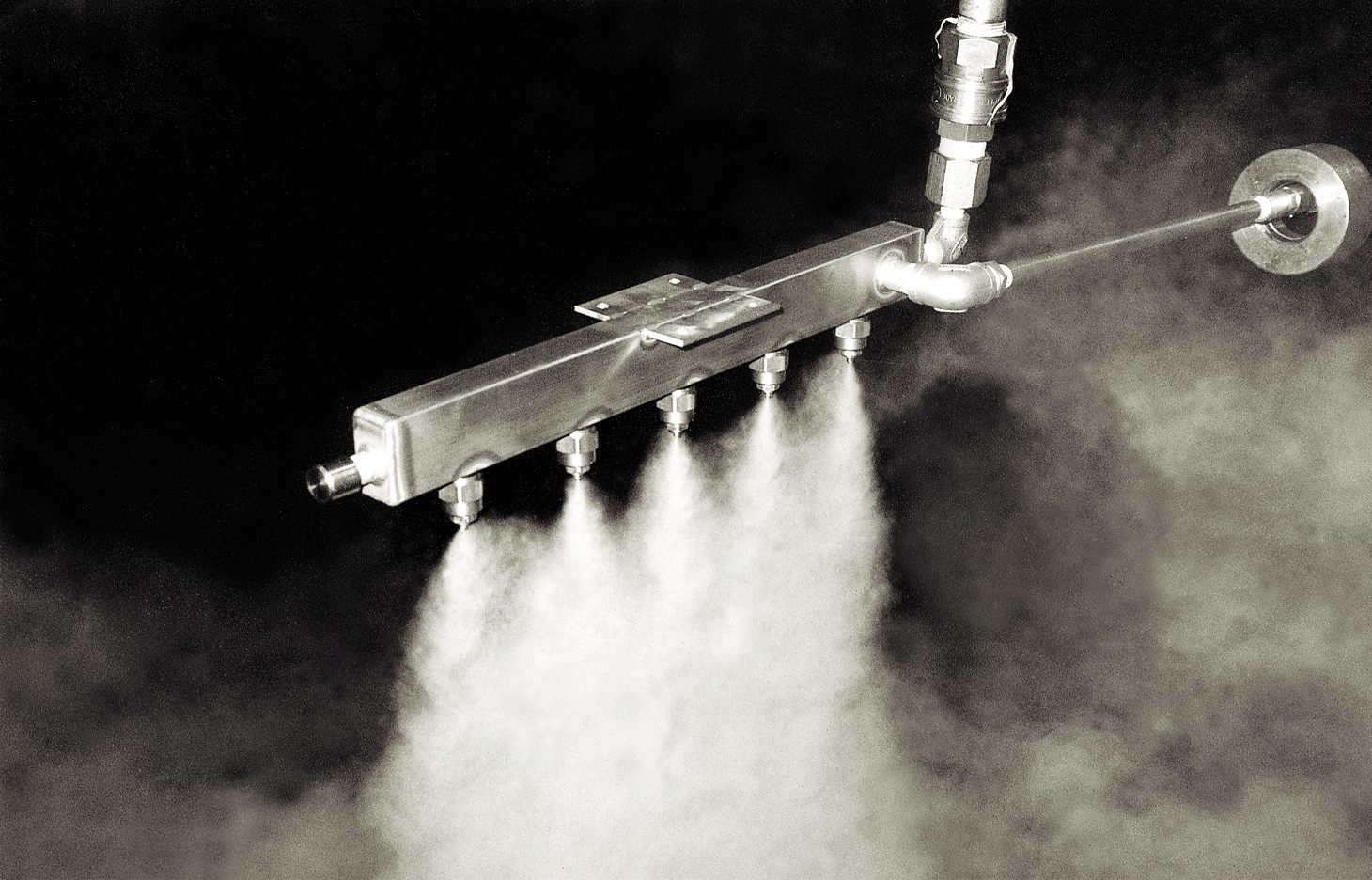
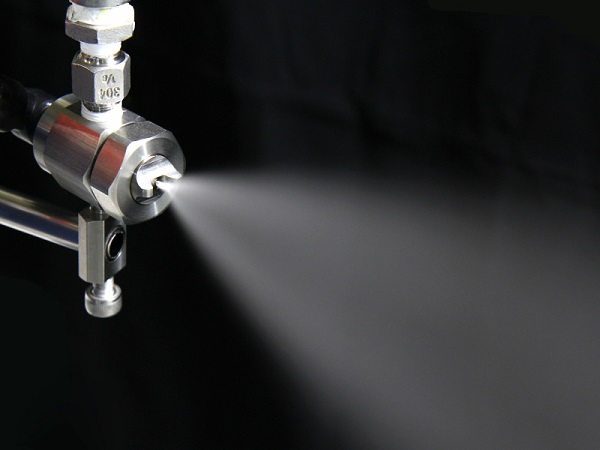
Our SETOJet-series has a clog-resistant design thanks to its external mixing type, which mixes air and liquid outside the nozzle. SETOJet produces a fine atomization with a mean droplet diameter of 20-60 µm. This ensures the prevention of coarse, unevaporated particles which can cause corrosion of the refractory bricks and mortar.
Wet gas scrubber
Wet gas scubber systems commonly use limestone-based slurry. Spray nozzles distribute the slurry through the absorber, where it reacts with sulfur dioxide in the flue gas. Because limestone slurry is abrasive and contains suspended solids, nozzle wear and clogging are particularly important considerations.
Our TAA-series is a hydraulic hollow cone spray nozzle which is ideal for wet gas scrubber applications due to its highly durable material. TAA is made of SIC (silicone carbide) which is known for its high wear resistance and resistance to chemicals. It is also available in SiSiC (siliconized silicon carbide).
Bi-directional wet gas scrubber
Our TWAA-series is a hydraulic bi-directional slurry spray nozzle which is suitable for flue gas
desulpherization. It is made of SiC / SiSiC (silicon carbide / silicon infiltrated silicon carbide) with
excellent wear-resistance and chemical durability. This material also weighs less than half the
weight of stainless steel.
The TWAA series is bi-directional, so one nozzle unit can take the place of two. The result: Simpler equipment layout, less maintenance and reduced costs. With 2 orifices, the flow normally sent through 1 orifice is halved, yielding smaller droplets
Related articles

Get expert advice:
contact us today
Would you like to know what Ikeuchi can do for your organization? We’re happy to discuss your needs and show how we can solve your challenges. You’ll receive a response from us within 24 hours!
"*" indicates required fields
Call us: +31 (0) 20 820 2175
- Global presence and experience
- The number 1 nozzle manufacturer in Japan
- Japanese Precision Technology
“High quality nozzles. Friendly and helpful customer service”
“With Ikeuchi spray nozzles we are able to save costs as we don’t need to replace them so often as before.”
“When it is about nozzle technology, IKEUCHI are the experts. We always highly appreciated their knowhow and their extremely wide range of nozzles, not to mention their unrivalled AKIMist humidifier”
“When it is about nozzle technology, IKEUCHI are the experts. ”